
Sakrete High Strength Concrete Mix delivers 4‚000 psi‚ ASTM‑C387 compliant‚ pre‑blended for slabs‚ footings‚ and repairs. Mix in 1 hour‚ pour‚ and cure for durable‚ smooth finishes. Ideal DIY use today.
Composition and ASTM Compliance
Sakrete High Strength Concrete Mix is a ready‑to‑use‚ pre‑blended formula consisting of finely graded sand‚ coarse aggregate‚ and a high‑performance cementitious binder. The mix is engineered to meet ASTM C387 requirements for high‑strength concrete‚ delivering a minimum 4‚000 psi compressive strength at 28 days. The aggregate ratio is optimized for full‑depth applications of 2 inches (51 mm) or greater‚ ensuring structural integrity in slabs‚ footings‚ and repair patches. Each bag contains a precise blend that eliminates the need for on‑site grading‚ guaranteeing consistent strength and durability across projects. The formulation also incorporates a controlled water‑to‑binder ratio‚ providing workability while preventing excessive shrinkage or segregation. By adhering to ASTM standards Sakrete offers predictable performance making it reliable option construction repair work
Strength Characteristics and Applications
Sakrete High Strength Concrete Mix achieves a minimum 4‚000 psi compressive strength at 28 days‚ meeting ASTM C387 standards. The mix’s high binder content and controlled aggregate grading provide durability for full‑depth applications of 2 inches (51 mm) or more. Its robust strength makes it ideal for structural elements such as slabs‚ footings‚ and post‑setting. In addition‚ the mix’s workability and low segregation allow seamless pours for walkways‚ sidewalks‚ and repair patches. The pre‑blended formula eliminates on‑site grading‚ ensuring consistent performance across projects while reducing labor and material waste. Whether constructing new foundations or reinforcing existing concrete‚ Sakrete delivers reliable‚ high‑strength results that stand up to heavy loads and long‑term use.Its rapid set time supports tight schedules‚ while low shrinkage reduces cracking. Engineers favor it for traffic decks‚ retaining walls‚ and industrial floors where durability matters!
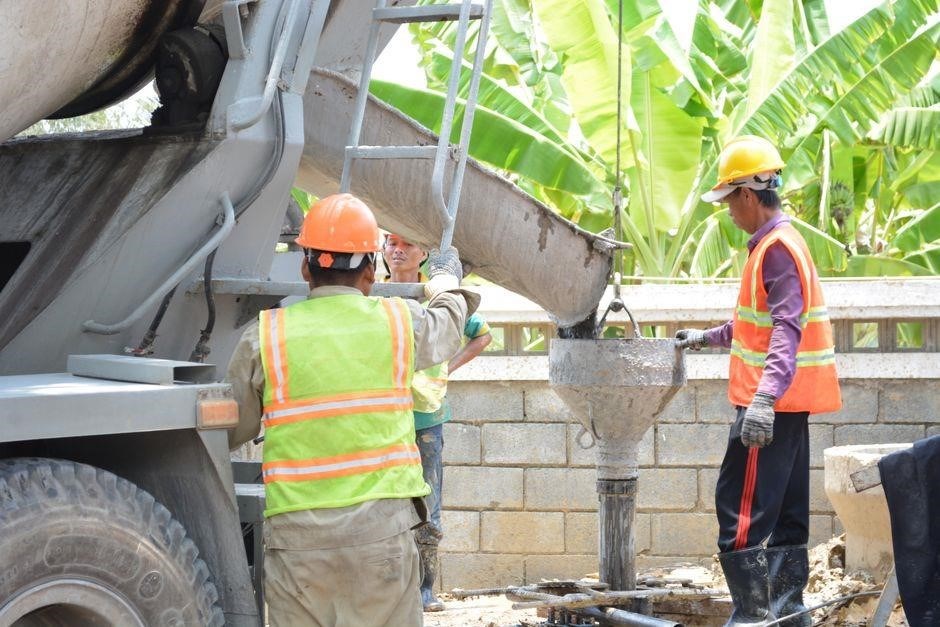
Preparation Prior to Mixing
Before mixing‚ assess site and clear debris. Set up proper formwork and reinforcement. Ensure tools are ready‚ test and check mix area is clean for optimal results!
Site Assessment and Surface Preparation
Before you mix Sakrete High Strength Concrete Mix‚ conduct a thorough site assessment. Identify the exact location‚ measure the dimensions‚ and check for any underground utilities or obstructions. Clear the area of vegetation‚ debris‚ and loose material. Level the subgrade with a shovel or mechanical compactor‚ ensuring a stable‚ even base. Compact the soil to a firm‚ moisture‑controlled surface to prevent settling. If the slab will be below grade‚ install a drainage layer of crushed stone or gravel. Mark the perimeter with stakes and string‚ then lay out the formwork‚ ensuring it is square‚ level‚ and properly braced. Finally‚ place reinforcement bars or mesh according to the design‚ securing them with ties to avoid shifting during pouring. This preparation guarantees a solid foundation for the high‑strength mix. Ensure subgrade compaction density meets specifications‚ and verify moisture content is within the mix’s acceptable range before pouring and keep dry!?.
Formwork and Reinforcement Placement
Set up sturdy‚ level forms that match the slab dimensions. Use 2‑inch plywood or metal‚ braced with 4‑inch spacers to maintain width. Secure forms with stakes and ensure they are square by measuring diagonals. For high‑strength mix‚ embed steel reinforcement: place 3/8‑inch bars at 12‑inch centers‚ staggered for full coverage. Lay the bars on a concrete base or a layer of compacted gravel. Use ties every 6 inches to keep bars in position. Cover the reinforcement with a 2‑inch layer of sand to keep it centered during pouring. Verify that the reinforcement runs through the entire slab thickness‚ especially at corners and edges‚ to prevent cracking. After positioning‚ double‑check spacing and alignment before mixing begins. Proper formwork and reinforcement placement are critical for achieving the mix’s 4‚000 psi strength and preventing structural failures. Ensure the forms are sealed with a waterproof sealant to prevent moisture ingress‚ and double‑check the form alignment after reinforcement placement to avoid any misalignments that could compromise the concrete’s structural integrity. All steps must be finalized before mixing promptly.
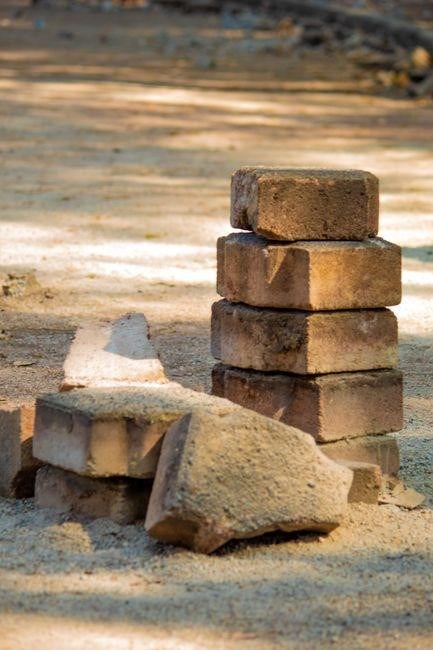
Storage and Handling of the Mix
Store Sakrete in a dry area‚ keeping the bag sealed until use. Mix within 24 hrs‚ handle with gloves‚ avoid spills‚ and keep water separate to prevent hydration
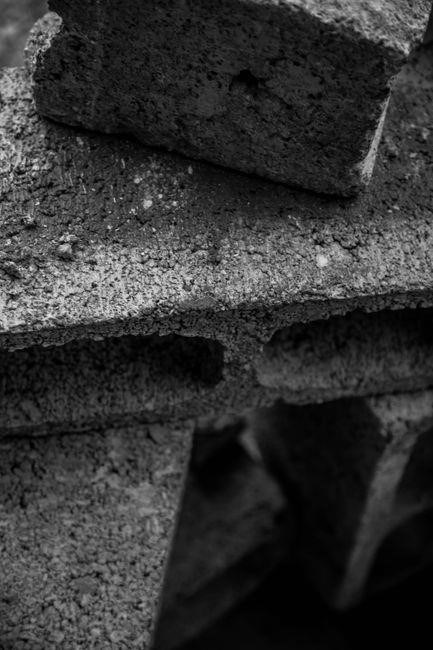
Proper Storage Conditions
Keep Sakrete High Strength Concrete Mix in a dry‚ well‑ventilated area‚ away from direct sunlight and moisture. Store bags upright on a flat surface to prevent shifting. Ensure the bag is sealed with a plastic wrap or a dedicated bag cover to avoid moisture ingress. Keep the storage location below 80 °F (27 °C) to maintain optimal binder performance. Avoid stacking bags too high; a maximum of three layers is recommended to prevent crushing. When transporting‚ use a sturdy‚ level pallet or container to keep the mix stable. Store the mix in a location that is easily accessible yet protected from accidental spills or contamination. Always check the bag for any signs of moisture or mold before opening‚ and discard any compromised material. Proper storage preserves the mix’s workability and ensures consistent strength upon mixing and curing. For large projects‚ consider using a moisture meter to verify dry conditions before opening bags‚ and keep a small bucket of dehumidifier nearby to absorb any excess moisture for safety!
Safety Precautions During Handling
When handling Sakrete High Strength Concrete Mix‚ wear protective gear: gloves‚ safety goggles‚ and a dust mask to prevent inhalation of fine particles. Keep the work area clean and free of debris to avoid slips. Use a bucket or wheelbarrow with a secure lid to transport the mix; avoid overfilling to prevent spillage. When pouring‚ keep the mix level and avoid direct contact with skin; use a trowel or shovel to transfer. Dispose of any excess material in a designated container‚ not in drains. Store bags in a dry‚ ventilated area and keep them upright to prevent moisture absorption. If the mix becomes damp‚ discard it to avoid compromised strength. Follow local regulations for waste disposal. Maintain clear signage in the work zone to alert others of potential hazards. Regularly inspect equipment for wear and replace damaged parts promptly to ensure safe operation. By adhering to these precautions‚ you protect both personnel and the structural integrity of the finished concrete.!
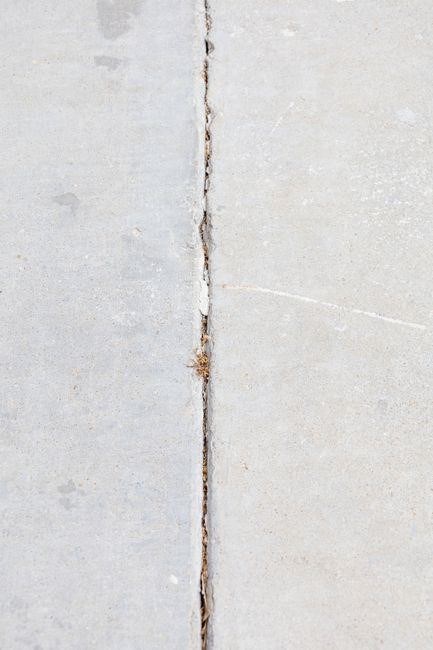
Mixing Procedures
Mix Sakrete High Strength Concrete within 1‑hour. Add water slowly‚ stir until uniform. Use a mixer for volumes; mix and batches. Ensure consistent texture before pouring.!!!
Mixing by Hand vs. Mechanical Mixer
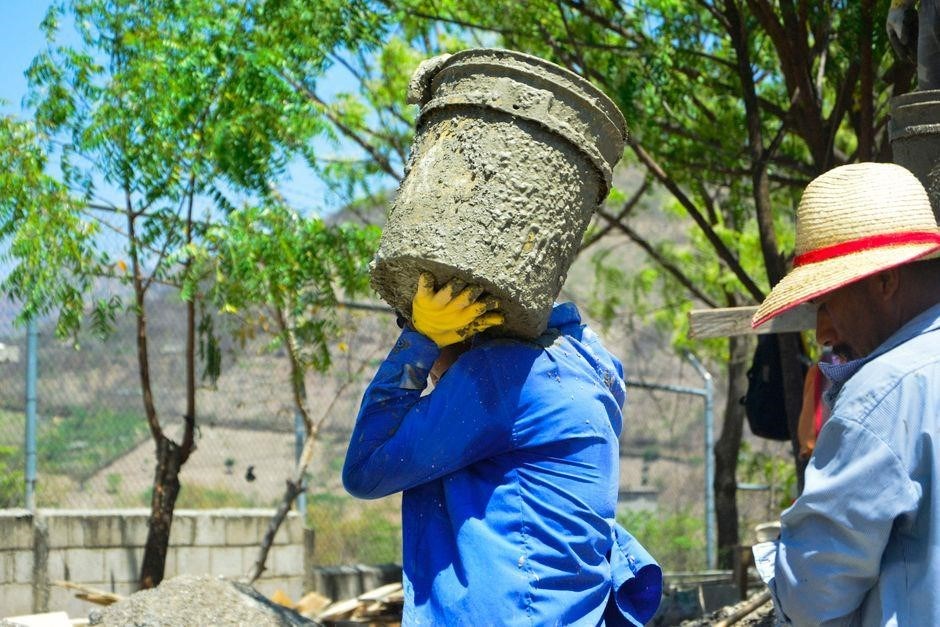
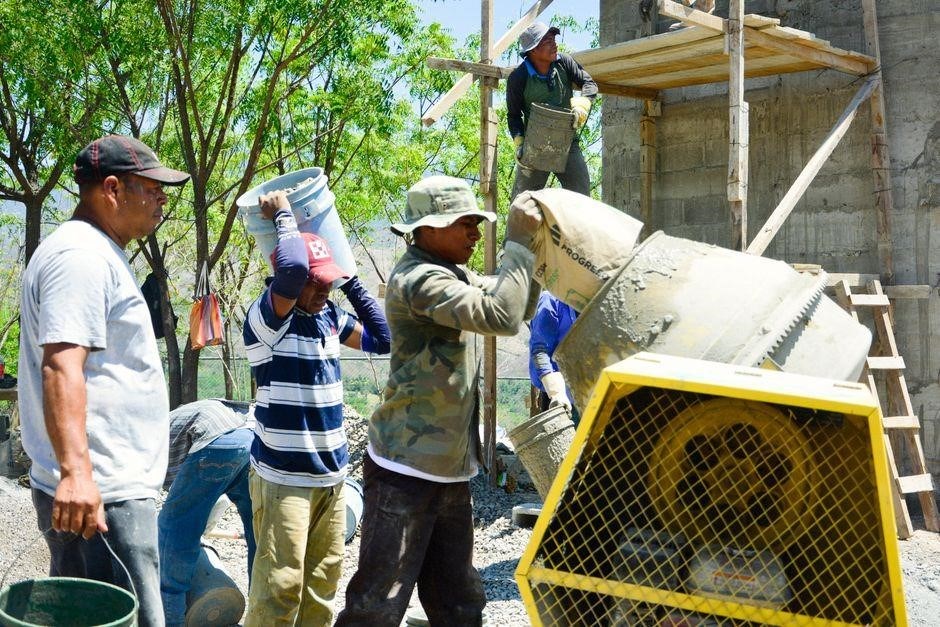
Hand‑mixing Sakrete High Strength Concrete suits small jobs (under 0.5 cubic yards). Use a clean‚ 5‑gal bucket or sturdy shovel; add water gradually while turning the mix until a uniform‚ lump‑free consistency forms. This method gives precise control over the water‑to‑mix ratio‚ essential for maintaining the 4‚000 psi strength target‚ but it demands significant physical effort and can introduce air pockets if not stirred thoroughly. Mechanical mixers—portable drum or stationary units—excel on larger pours‚ ensuring even distribution of sand‚ aggregate‚ and cementitious material. Begin with dry mix‚ add water in stages‚ and run the mixer for 2–3 minutes per batch. The mixer’s agitation reduces segregation and keeps the mix cohesive for the full 60‑minute placement window‚ minimizing cold joints. Both methods require strict timing; any delay beyond 60 minutes can compromise strength. Choose hand‑mixing for precision and small volumes‚ or a mechanical mixer for speed‚ consistency‚ and reduced labor‚ always adhering to the recommended water‑to‑mix ratio and wearing protective gear.
Optimal Water-to-Mix Ratio and Mixing Time
For Sakrete High Strength Concrete‚ the manufacturer recommends a water‑to‑mix ratio of 0.45–0.50 by weight. This range preserves the 4‚000 psi target while keeping the mix workable. Measure water in a separate container‚ pour it slowly into the dry mix‚ and stir until the first lumps disappear. The mix should be uniform‚ with a consistency that holds its shape when lifted in a bucket but still flows when poured. Once the water is added‚ begin the mixing timer. For hand‑mixing‚ 2–3 minutes of vigorous stirring is sufficient; for a mechanical mixer‚ 3–4 minutes of continuous agitation ensures full hydration of the cementitious components. The total time from adding water to the first pour should not exceed 60 minutes. Exceeding this window risks cold joints and reduced strength. Keep the mix in a covered container if you must pause‚ and re‑stir briefly before pouring to re‑establish uniformity. By strictly following the 0.45–0.50 ratio and the 60‑minute rule‚ you guarantee a durable‚ high‑strength finish. Use a sealant coat.
Pouring Techniques
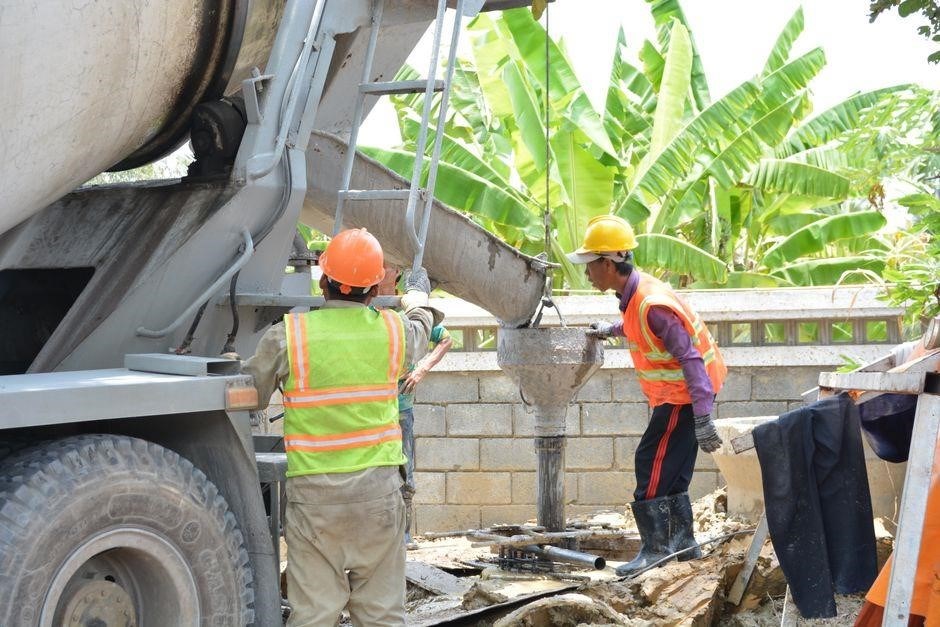
Pour the mix in a steady‚ continuous motion‚ using a shovel or raking tool to distribute evenly. Keep the surface level‚ then use a float to smooth edges. Avoid gaps. Keep the pour smooth and level !
Layering and Consolidation
Layering ensures uniform strength and prevents weak spots. Begin by placing the first layer of Sakrete High Strength Concrete Mix no more than 4 inches thick. Use a shovel to spread evenly‚ then tap the form edges with a rubber mallet to settle the mix; After the first layer is set‚ add the second layer‚ again keeping thickness below 4 inches. Use a concrete vibrator or hand tamper to consolidate each layer‚ removing air pockets and ensuring proper bonding. Repeat layering until the desired depth is reached. Consistent layer thickness and thorough consolidation are critical for achieving the mix’s 4‚000 psi rating and long‑term durability. When layering‚ always leave a slight overlap to avoid cold joints. Keep the surface level with a screed board‚ and use a straightedge to check for uniformity. Finally‚ after last layer is poured‚ tamping to eliminate voids and lock aggregate in place !. This meticulous layering and consolidation process guarantees a dense‚ cohesive structure that meets the high‑strength specifications of Sakrete.
Avoiding Cold Joints and Segregation
To prevent cold joints‚ start each pour within 30 minutes of the previous layer’s setting time; Keep the mix moist with a water spray or wet burlap‚ and use a concrete vibrator to eliminate segregation. Avoid adding new water to the mix; instead‚ maintain the existing water‑to‑cement ratio. When layering‚ overlap each new layer by at least 1 in. and use a straightedge to check for a seamless transition. If a joint forms‚ immediately fill the gap with fresh mix and tamp it down. Use a trowel to smooth the surface‚ ensuring no voids remain. For large pours‚ employ a continuous vibration system to keep aggregate evenly distributed. Monitor temperature; if the mix cools‚ reheat with a low‑heat water spray to maintain workability. Consistent vibration‚ proper timing‚ and careful layering eliminate cold joints and segregation‚ preserving the 4‚000 psi strength of Sakrete High Strength Concrete Mix. Follow these steps to ensure flawless finish and maximum durability.
Finishing and Surface Treatment
Use a trowel to smooth‚ then a broom for texture. Seal within 48 hrs to protect. Keep surface wet for 24 hrs to cure properly. Finish with a float for sheen. Avoid dusting until fully cured. Good job!.
Troweling and Smoothing Techniques
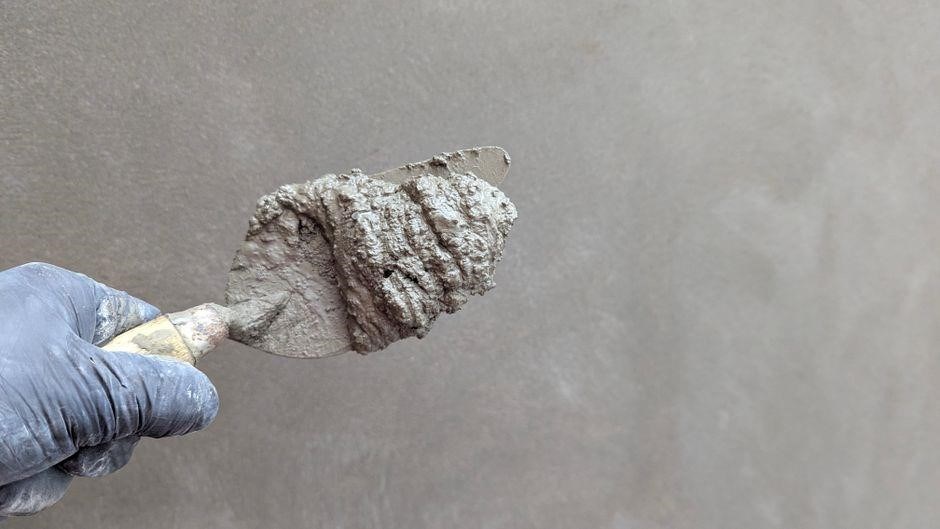
After the concrete has set enough to hold a trowel‚ begin smoothing with a 4‑inch steel trowel. Work in overlapping strokes‚ keeping the blade at a 45‑degree angle to the surface. For a uniform finish‚ move the trowel in a figure‑eight pattern‚ ensuring even pressure across the slab. If you need a textured surface‚ use a broom or a rubber float after the first 30 minutes of setting. Avoid over‑troweling‚ which can cause surface cracks. Keep the trowel clean; a wet trowel reduces dust and improves finish. Finish within the first 24 hours to prevent early drying. After smoothing‚ let the concrete cure naturally for 7 days before heavy traffic. This method preserves the 4‚000‑psi strength and ensures a smooth‚ durable surface. During troweling‚ maintain a consistent angle and avoid dragging the blade across the surface‚ which can create uneven ridges. Use a rubber float after the first 30 minutes to level the surface and remove any air pockets. Finally‚ apply a light sealant after the concrete has cured for 7 days to enhance durability and resistance to weathering. This process ensures flawless finish. durability.
Edge and Detail Finishing
Edge and detail finishing ensures clean lines and durable joints. Use a plastic or metal edge trowel to shape corners‚ keeping the blade flush with the slab. For recessed details‚ apply a small amount of mix‚ tamp it in‚ and smooth with a float. Avoid over‑compaction to prevent cracking. When finishing around posts or fixtures‚ use a 2‑inch trowel to maintain uniform thickness. After the surface has set enough to hold a trowel‚ apply a light sealant to protect edges from weather. Keep the finish consistent by working in small sections‚ and always finish the last edge last to avoid cold joints. This technique preserves the 4‚000‑psi strength while giving a neat‚ professional look. When the edges are sealed‚ allow the concrete to cure for at least 7 days before traffic. Use a light brush to remove any dust from the edges‚ ensuring a smooth transition. For high‑traffic areas‚ apply a post‑treatment sealant after the first week to lock in moisture and resist abrasion. Seal edges promptly!
Curing and Post-Pour Care
Cover fresh concrete with a plastic sheet or wet burlap for 7 days. Keep moisture by misting hourly. Avoid foot traffic until 28‑day cure. Seal after 7 days for durability
Recommended Curing Methods
For Sakrete High Strength Concrete Mix‚ the best curing approach is a 7‑day moisture‑retention period. Cover the freshly poured slab with a 4‑inch thick plastic sheet or a wet burlap blanket‚ securing edges with masking tape to prevent air leaks. Keep the cover moist by misting the surface with water every 4–6 hours during the first 48 hours‚ then every 12 hours until day 7. If ambient temperatures fall below 50°F‚ use a low‑temperature curing blanket or a portable heater to maintain 60°F at the surface. Avoid foot traffic until the concrete has reached at least 70% of its design strength‚ typically 14 days for 4‚000 psi mix. After the first week‚ apply a commercial curing compound that forms a breathable film‚ reducing evaporation while allowing the concrete to cure. This method yields a dense‚ crack‑resistant surface and ensures the mix achieves its full strength potential. By following these curing steps you guarantee a durable‚ crack‑free finish that meets the 4‚000 psi strength requirement and stands up to weather for years.
Protecting the Fresh Concrete
Immediately after the last pour‚ shield the slab from direct sunlight‚ wind‚ and rain by covering it with a 4‑inch thick polyethylene sheet or a wet burlap blanket. Secure the cover with masking tape to seal edges and prevent air infiltration. Keep the surface damp by misting with water every 4–6 hours during the first 48 hours‚ then every 12 hours until day 7. If temperatures dip below 50°F‚ place a low‑temperature curing blanket or a portable heater to maintain a 60°F surface. Avoid foot traffic until the concrete has reached at least 70% of its design strength‚ usually 14 days for a 4‚000 psi mix. After the first week‚ apply a commercial curing compound that forms a breathable film‚ reducing evaporation while allowing the concrete to cure. This protective strategy ensures a dense‚ crack‑resistant finish that meets ASTM‑C387 requirements and delivers long‑term durability. Use a curing blanket or a plastic sheet to keep the surface moist for the first week. daily.!!!!!!!
Troubleshooting and Best Practices
Check for voids‚ ensure uniform mix‚ avoid over‑watering‚ use proper curing blankets‚ monitor temperature‚ and seal edges to prevent shrinkage cracks. Keep forms tight‚ and inspect for early cracking.
Common Mixing and Pouring Issues
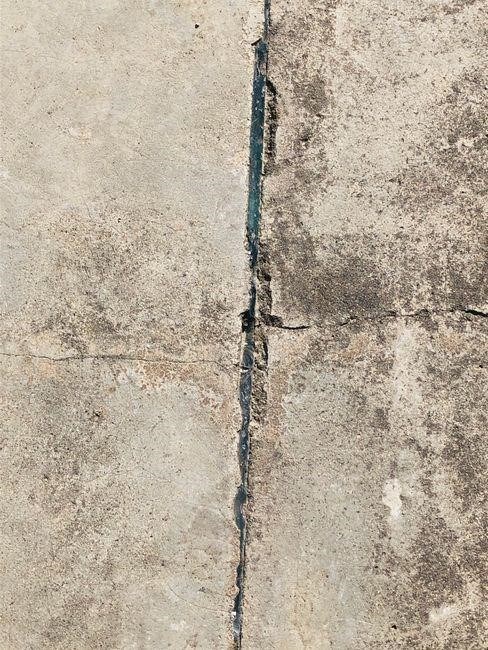
When working with Sakrete High Strength Concrete Mix‚ several pitfalls can compromise strength and finish. Over‑watering dilutes cement‚ producing a weak‚ crumbly mix that fails to bond. Under‑watering leads to a dry‚ stiff batch that resists consolidation‚ causing voids and poor surface contact. Mixing too quickly or for too long can introduce excess air‚ creating honeycombing and reducing density. Inadequate form sealing allows moisture loss‚ leading to surface scaling and early cracking. Cold joints form when new pours are added after the previous batch has set‚ resulting in weak seams. Segregation occurs if the mix is poured too quickly‚ separating coarse aggregate from fine material and creating weak spots. Finally‚ improper curing—such as exposing fresh concrete to wind or sun—accelerates drying‚ causing shrinkage cracks and reduced durability.
Common issues include uneven surfaces delayed setting and improper curing which can compromise structural integrity!
Tips for Consistent Results
Start with a clean‚ level base and ensure all aggregate is dry. Measure water precisely—use a bucket and a calibrated scoop to keep the mix within the 1.5–1.8 % water range. Mix in a small batch first to confirm consistency; the mix should be moist but not runny. Use a mechanical mixer for uniformity‚ but hand‑mixing is acceptable for small pours—just keep the motion steady and avoid over‑agitation. Once mixed‚ pour immediately; the first 30 minutes are critical for setting. Use a vibrating plate or hand‑vibrator to eliminate air pockets and achieve full compaction. After the surface is level‚ apply a trowel finish within 10 minutes of pouring to prevent early drying. If the temperature is below 50 °F‚ cover the slab with a plastic sheet and apply a curing compound to retain moisture. Keep the concrete moist for at least 7 days; a wet burlap or a commercial curing blanket works well. Finally‚ inspect for any cold joints or segregation—if found‚ fill with mix. Consistency comes from timing‚and water control. Keep timing watch slump.!!!!!.