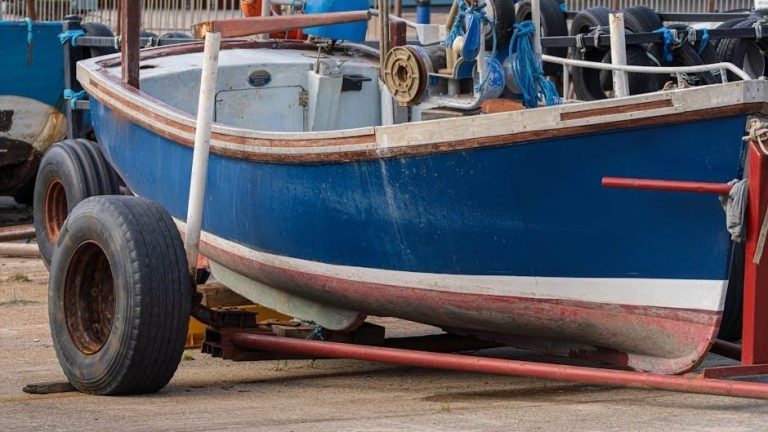
Boat Trailer Guide Posts with Lights: A Comprehensive Guide
Navigating the world of boat trailers demands attention to detail, especially concerning safety and legal compliance․
Illuminated guide posts enhance visibility during loading operations,
particularly in low-light conditions, and are crucial for safe maneuvering․
These posts, often exceeding 60 inches in height, aid in aligning the trailer with the boat,
even when partially submerged, ensuring a smooth and secure launch or retrieval process․
Understanding the Purpose of Guide Posts
Boat trailer guide posts serve a critical function in simplifying and securing the loading and unloading of watercraft․ Their primary purpose is to visually direct the boat onto the trailer, minimizing the risk of damage to both the vessel and the trailer itself․ These posts act as extended sighting points, especially valuable when visibility is limited – think dawn, dusk, or murky water conditions․
Without guide posts, accurately aligning the boat with the trailer can be challenging, potentially leading to scratches, dents, or even more serious structural harm․ The posts effectively create a channel, guiding the boat’s hull or keel directly into the designated position․ Furthermore, taller “Guide-On” posts, exceeding standard heights, are specifically designed for situations where the trailer is submerged, providing continued visual guidance even underwater․
Beyond ease of use, guide posts contribute significantly to safety․ They reduce the need for excessive maneuvering, lessening the chance of accidents during the loading/unloading process․ They also assist in ensuring the boat is properly centered on the trailer, which is vital for maintaining balance and stability during transport, adhering to legal requirements for safe towing․
Benefits of Illuminated Guide Posts
Illuminated boat trailer guide posts elevate the functionality of standard guide posts by adding a crucial layer of visibility, particularly in low-light scenarios․ This enhancement dramatically improves safety and efficiency during boat loading and unloading, especially during pre-dawn launches or late-evening retrievals․ The integrated lights ensure the posts remain clearly visible, guiding the boat operator with precision․

Beyond improved visibility, illuminated posts contribute to legal compliance․ Federal regulations mandate that trailers display functioning lights within a specific height range (15-72 inches), and guide post lights supplement the trailer’s existing lighting system, ensuring adherence to these standards․ This is particularly important for illuminating the trailer’s license plate, as required by law․
The benefits extend to reduced stress and frustration for the boat operator․ Accurate alignment becomes significantly easier, minimizing the need for repeated adjustments and reducing the risk of damage․ LED lights, commonly used in these systems, offer long life and low energy consumption, providing a reliable and cost-effective solution for enhanced trailer safety and convenience․
Legal Requirements for Trailer Lights
Navigating trailer lighting regulations is crucial for safe and legal towing․ Federal Motor Vehicle Safety Standards (FMVSS) 108 dictates specific requirements for trailer lights, ensuring visibility and preventing accidents․ These regulations are enforced to protect all road users․
Generally, all trailers over a certain weight (typically 3,000 lbs) are legally required to have functioning tail lights, brake lights, and turn signals․ Furthermore, lights must be positioned within a specific height range – generally between 15 and 72 inches from the ground – to maximize visibility․
While guide post lights aren’t always explicitly mandated as a separate requirement, they often serve to supplement existing lighting, ensuring full compliance․ Specifically, they aid in illuminating the trailer’s license plate, a legal necessity․
State laws can add further stipulations, so it’s vital to consult your local Department of Motor Vehicles (DMV) for specific regulations in your area․ Failure to comply with these regulations can result in fines and potential safety hazards․ Proper lighting is not merely a convenience; it’s a legal obligation․
Height Regulations for Trailer Lights
Understanding height regulations for trailer lights is paramount for legal compliance and road safety․ Federal regulations, as outlined in FMVSS 108, specify that trailer lights must be mounted within a defined height range to ensure optimal visibility for other drivers;

The standard height requirement dictates that lights must be positioned between 15 and 72 inches above the road surface․ This range is designed to balance visibility with avoiding obstruction of other vehicles’ sightlines․ Lights mounted too low may be obscured by other vehicles, while those too high might not be readily noticeable․
Guide post lights, being an extension of the trailer’s lighting system, must also adhere to these height restrictions․ While the posts themselves may extend higher, the actual light-emitting portion must fall within the 15-72 inch range․ This is particularly important for taller trailers or those carrying high loads․
State laws may sometimes have additional or more specific height requirements, so it’s crucial to verify local regulations․ Proper adherence to these guidelines ensures your trailer is safely and legally equipped for transport․
Types of Lights Used in Guide Posts
Selecting the appropriate lights for boat trailer guide posts involves understanding the available options and their respective benefits․ Traditionally, incandescent bulbs were common due to their lower initial cost, but they are increasingly being replaced by more efficient and durable alternatives․
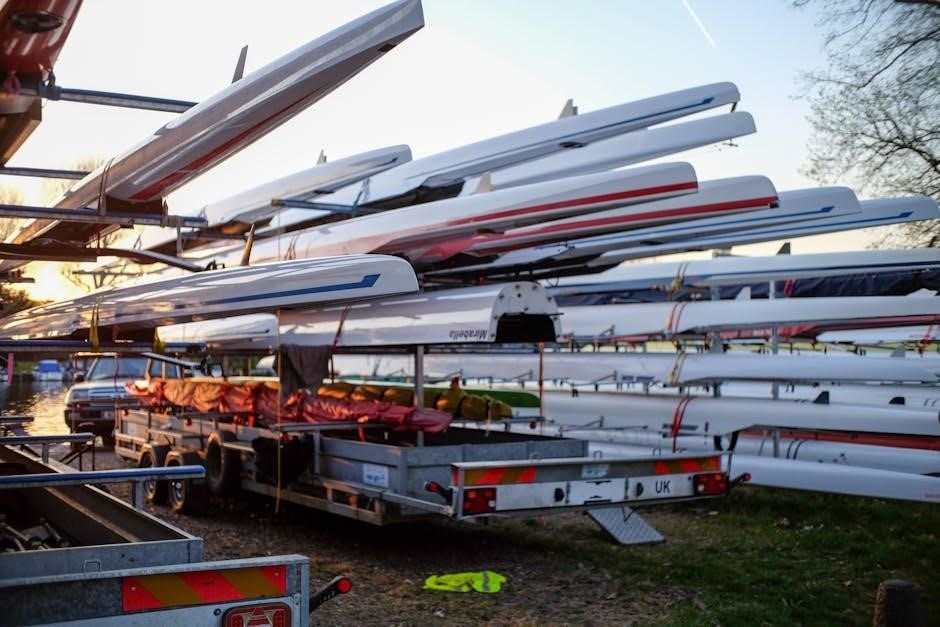
LED (Light Emitting Diode) lights are now the preferred choice for most trailer applications․ They offer significantly longer lifespans, reduced energy consumption, and enhanced brightness compared to incandescent bulbs․ LEDs are also more resistant to shock and vibration, making them ideal for the demanding conditions of trailer use․
Specific types of LED lights commonly used in guide posts include submersible LED lights, designed to withstand complete immersion in water, and standard LED marker lights․ These lights are available in various colors, with red being the most common for rear-facing applications and amber or white for side markers․
The choice of light type depends on the specific needs of the trailer and the environment in which it will be used․ However, LEDs consistently provide superior performance and reliability․
LED vs․ Incandescent Lights for Boat Trailers
When comparing LED and incandescent lights for boat trailers, several key differences emerge, impacting performance, longevity, and cost-effectiveness․ Incandescent bulbs, while initially cheaper, suffer from a shorter lifespan and higher energy draw․ They are also more susceptible to damage from vibrations common during trailering․

LEDs, conversely, boast a significantly extended lifespan – often lasting up to ten times longer than incandescent counterparts․ This reduces the frequency of bulb replacements, saving both time and money․ Their lower energy consumption translates to less strain on the trailer’s electrical system and potentially improved battery life․
Furthermore, LEDs offer superior brightness and visibility, enhancing safety, particularly during low-light conditions․ They are also more durable and resistant to shock and corrosion, crucial factors for trailers exposed to the elements․ While the upfront cost of LEDs is higher, the long-term benefits typically outweigh the initial investment․
For boat trailer guide posts, LEDs are overwhelmingly the recommended choice due to their reliability and performance․

Choosing the Right Guide Post Material (Galvanized Steel, Aluminum)
Selecting the appropriate material for boat trailer guide posts – galvanized steel or aluminum – hinges on balancing durability, weight, and cost․ Galvanized steel offers robust strength and resistance to bending, making it suitable for heavier boats and frequent use․ The galvanization process provides a protective coating against rust and corrosion, extending the post’s lifespan, particularly in saltwater environments․
However, galvanized steel is considerably heavier than aluminum, potentially adding to the trailer’s overall weight․ Aluminum, conversely, is lightweight, reducing the trailer’s load and improving fuel efficiency․ It’s also naturally corrosion-resistant, eliminating the need for galvanization․
Despite its advantages, aluminum is generally less strong than steel and may be more prone to bending under significant stress․ The cost of aluminum can also be higher․ For most recreational boaters, galvanized steel provides a reliable and cost-effective solution․ However, for those prioritizing weight reduction or operating primarily in freshwater, aluminum is a viable alternative․
Consider the boat’s size and weight, the trailer’s usage frequency, and the operating environment when making your decision․
Installation of Guide Post Lights: A Step-by-Step Approach
Installing guide post lights involves a methodical approach to ensure proper functionality and safety․ Begin by securely mounting the lights to the guide posts, utilizing appropriate hardware resistant to corrosion․ Next, carefully run the wiring from the lights down the posts and along the trailer frame, avoiding sharp edges or moving parts that could damage the insulation․

Connect the wires to the trailer’s electrical system, typically utilizing a four-way flat connector․ Ensure a solid connection to the running light circuit․ Before fully securing the wiring, test the lights to confirm they illuminate correctly with the vehicle’s headlights․
Use waterproof connectors and sealant to protect the connections from moisture and corrosion․ Securely fasten all wiring to prevent chafing or disconnection during transport․ Double-check all connections and ensure the lights are firmly mounted before hitting the road․ Proper installation guarantees visibility and compliance with legal requirements․
Regularly inspect the lights and wiring for damage or wear, addressing any issues promptly․
Wiring Considerations for Trailer Lights
Effective wiring is paramount for reliable boat trailer guide post light operation․ Marine-grade wiring is essential, resisting corrosion from saltwater exposure and environmental elements․ Employing a wiring harness simplifies installation and provides a secure, organized connection point․ When routing wires, avoid sharp bends and potential pinch points to prevent damage to the insulation․
Utilize waterproof connectors and heat-shrink tubing to shield connections from moisture, a primary cause of electrical failures․ Proper grounding is crucial; ensure a solid connection to the trailer frame to prevent shorts and ensure consistent light output․ Consider using a wiring loom or conduit for added protection along the trailer’s frame․
When extending existing wiring, use wire of the same gauge to maintain optimal current flow․ Regularly inspect wiring for signs of wear, corrosion, or damage, and replace any compromised sections promptly․ Secure wiring with zip ties or clamps to prevent movement and chafing during transport, ensuring long-term reliability․
Connecting to the Trailer’s Electrical System
Integrating guide post lights into your boat trailer’s electrical system typically involves connecting to the existing tow vehicle connector – usually a 4-way or 5-way flat connector․ Identify the appropriate wires for running lights (brown wire in many systems) and ground (white wire)․ A wiring adapter may be necessary if the trailer’s connector doesn’t have dedicated circuits for additional lights․
Ensure the trailer’s wiring is compatible with the guide post lights’ voltage requirements, typically 12V․ Use a circuit tester to verify proper voltage at the connector before making connections․ Securely connect the guide post light wiring to the corresponding wires on the trailer harness, utilizing crimp connectors or solder for a reliable connection․
Consider adding a fuse to the circuit powering the guide post lights to protect against overloads and potential damage․ After connecting, test all trailer lights, including the guide posts, to confirm proper operation․ Regularly inspect connections for corrosion or looseness, ensuring a consistent and safe electrical connection․

Maintenance and Troubleshooting of Guide Post Lights
Regular maintenance is crucial for ensuring the longevity and reliability of your boat trailer guide post lights․ Periodically inspect wiring connections for corrosion, particularly after saltwater exposure․ Clean connections with a wire brush and apply dielectric grease to prevent future corrosion․ Check the lenses for cracks or damage, replacing them as needed to maintain optimal light output․
If lights fail to illuminate, begin by checking the bulb or LED․ For incandescent bulbs, replacement is straightforward; for LEDs, inspect for any visible damage․ Test the circuit with a multimeter to verify voltage is reaching the light fixture․ A blown fuse is a common culprit, so check and replace if necessary․
Address any wiring issues promptly, repairing or replacing damaged wires․ Ensure all connections are secure and weatherproofed․ If problems persist, consult a qualified trailer electrician to diagnose and resolve more complex electrical issues, ensuring safe and compliant operation․
Common Issues and Solutions (Corrosion, Bulb Replacement)
Corrosion is a frequent challenge with boat trailer lights, especially in saltwater environments․ Symptoms include dim or non-functioning lights, and visible rust on wiring and connectors․ Solutions involve thorough cleaning with a wire brush, followed by the application of dielectric grease to protect against future corrosion․ Consider using marine-grade wiring and connectors for enhanced resistance․
Bulb replacement is a straightforward fix for incandescent lights․ Ensure you use the correct bulb type and wattage as specified by the manufacturer․ Disconnect the power before replacing the bulb to avoid electrical shock․ For LED lights, replacement may involve swapping the entire fixture if the LED fails, as they are typically not replaceable individually․
Other common issues include loose wiring connections and damaged lenses․ Regularly inspect and tighten connections, and replace cracked or broken lenses to maintain light integrity and legal compliance․ Proactive maintenance prevents more significant problems and ensures safe trailering․
Guide Post Dimensions and Trailer Compatibility
Guide post height is a critical factor, with federal regulations stipulating lights must be between 15 and 72 inches above the ground․ Taller posts, like the “extra tall” 75-inch Guide-Ons, are designed for trailers used in situations where the trailer becomes submerged during launch or retrieval, providing visual cues even underwater․
Post width and mounting style must align with your trailer’s frame․ I-beam trailers require specific mounting hardware, while others may utilize clamp-on or bolt-on systems․ Ensure the posts don’t obstruct the trailer’s width or interfere with turning․ Compatibility also extends to the electrical system; the guide post lights should seamlessly integrate with the existing trailer wiring․
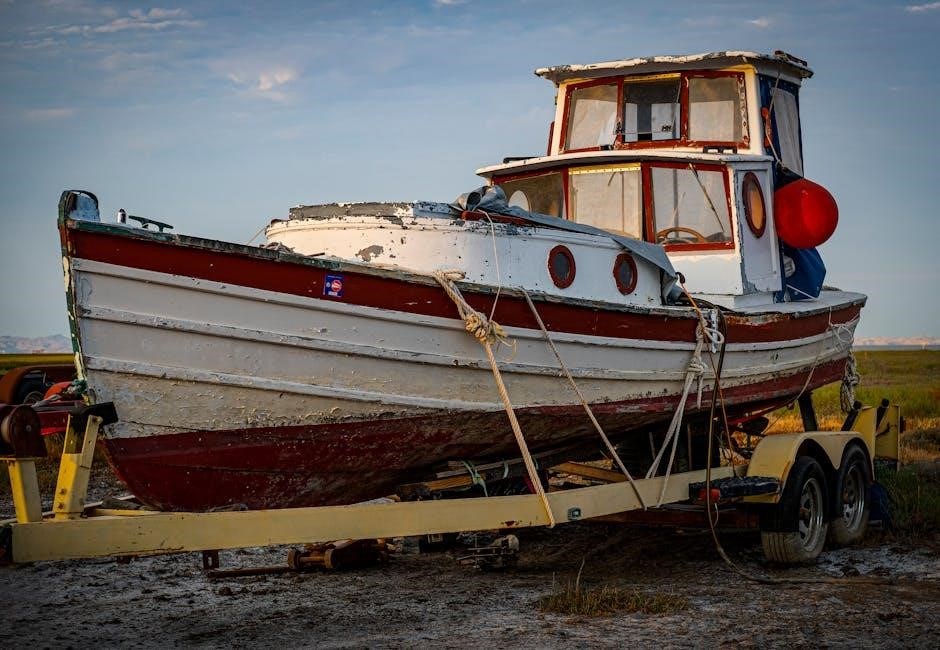
Trailer size and boat size influence the ideal guide post length․ Longer posts are beneficial for larger boats, offering a wider alignment channel․ Always verify the manufacturer’s recommendations for compatibility based on your specific trailer and boat combination, ensuring a secure and efficient loading process․
Popular Brands and Models of Boat Trailer Guide Posts with Lights (CE Smith)
CE Smith stands out as a leading manufacturer in boat trailer components, including highly-regarded guide posts with integrated lights․ Their 40 L․E․D․ Post Guide-Ons are particularly popular, designed for trailers under 80 inches wide and meeting FMVSS/CMVSS 108 requirements, ensuring legal compliance and safety․
The CE27640 model, a 60-inch tall Guide-On, receives consistently positive reviews (over 2582 as of recent data), praised for its durability and ease of installation․ These galvanized steel posts offer robust corrosion resistance, crucial for marine environments․ CE Smith also provides various mounting brackets and hardware to accommodate different trailer frame types․
Beyond the standard models, CE Smith offers customizable options, allowing users to select post height and light configurations to suit their specific needs․ Their commitment to quality and adherence to industry standards make them a trusted choice for boaters seeking reliable and long-lasting guide post solutions․ Exploring their full catalog reveals a range of options to enhance trailer safety and convenience․
Resources for Trailer Lighting Regulations and Standards
Navigating trailer lighting regulations can be complex, varying by state and federal guidelines․ Understanding these standards is crucial for legal operation and, more importantly, safety․ The Federal Motor Vehicle Safety Standards (FMVSS) 108 specifically addresses trailer lighting requirements, dictating aspects like height restrictions (15-72 inches from the ground) and visibility distances․
State Departments of Motor Vehicles (DMVs) are primary resources for localized regulations․ Each state may have specific rules regarding trailer light color, mounting positions, and required lighting features based on trailer weight and dimensions․ Online searches for “[State Name] trailer lighting laws” will yield relevant information․
The National Highway Traffic Safety Administration (NHTSA) provides detailed information on FMVSS standards, including interpretations and compliance guides․ Additionally, industry associations like the National Association of Trailer Manufacturers (NATM) offer resources and educational materials․ Consulting these sources ensures your boat trailer’s lighting setup meets all applicable legal requirements, promoting safe towing practices and avoiding potential penalties․