Camino de Santiago Guidebook: A Comprehensive Plan
Embark on a transformative journey! This guidebook provides essential resources, maps, and insights for modern pilgrims walking the sacred Way of St. James.
Village to Village Press offers comprehensive guides, inspiring photos, and reflections, born from personal pilgrimage experiences along various Camino routes.
John Brierley’s guides, a classic choice, were pre-smartphone essentials, though apps now offer superior navigation and lodging information for pilgrims.
The Camino de Santiago, or the Way of St. James, is a network of ancient pilgrim routes leading to the shrine of the Apostle Saint James the Great in the Cathedral of Santiago de Compostela in Galicia, Spain.
For centuries, pilgrims have traversed these paths for religious, spiritual, or personal reasons. Today, it attracts individuals seeking self-discovery, reflection, and a connection with history and nature.
Modern pilgrims utilize comprehensive guidebooks like those from Village to Village Press, alongside smartphone apps, to navigate and enrich their experience on this transformative journey.
Historical Significance of the Camino
The Camino’s roots trace back to the 9th century, following the rediscovery of the supposed remains of Saint James in Compostela. This sparked a surge in pilgrimage, establishing routes across Europe.
Historically, the Camino served as a vital cultural exchange, fostering trade, and spreading religious ideas. Pilgrims traveled not only for faith but also for economic and social opportunities.
The Codex Calixtinus, the oldest guidebook, provides invaluable insights into medieval Camino life, detailing routes, customs, and the spiritual significance of the pilgrimage.
The Codex Calixtinus: The Oldest Guidebook
Dating back to the 12th century, the Codex Calixtinus is a pivotal historical document for understanding the medieval Camino de Santiago. It’s more than just a route guide; it’s a comprehensive collection of sermons, polyphonic music, and miracle stories.
This illuminated manuscript details practical information for pilgrims, including descriptions of towns, local customs, and even potential dangers along the way. It offers a fascinating glimpse into the pilgrim experience.
The Codex reveals the Camino’s significance as a cultural and religious phenomenon, shaping medieval Europe and continuing to inspire pilgrims today.
Popular Camino Routes
The Camino de Santiago isn’t a single path, but a network of routes converging on Santiago de Compostela. Choosing a route depends on your time, fitness level, and desired experience.
The Camino Francés, originating in St. Jean Pied de Port, remains the most popular, attracting pilgrims from around the globe. Other notable routes include the Portuguese Way, offering coastal scenery.
The Northern Camino provides a challenging, less crowded experience, while the Primitivo route is known for its rugged beauty and historical significance. Guidebooks detail each path.

The Camino Francés: The Most Popular Route
The Camino Francés, beginning in Saint-Jean-Pied-de-Port, France, is the most travelled route, spanning roughly 800 kilometers across northern Spain. This path offers a well-established infrastructure with frequent albergues and services.
Modern guidebooks, like those from Village to Village Press and John Brierley, provide detailed stage-by-stage maps and accommodation listings. Expect diverse landscapes, from Pyrenean mountains to Meseta plains.
Pilgrims often cite the strong sense of community and readily available support as key benefits of choosing this iconic and historically significant Camino route.
Other Notable Routes (Portuguese, Northern, Primitivo)
Beyond the Camino Francés, several other routes offer unique experiences. The Portuguese Way, starting in Lisbon or Porto, is gaining popularity, known for its coastal scenery and milder climate.
The Camino del Norte follows Spain’s northern coastline, presenting challenging terrain and stunning ocean views. The Primitivo, originating in Oviedo, is a more rugged, ancient path.
Guidebooks detail these alternatives, providing essential maps and logistical information for pilgrims seeking less crowded, diverse Camino adventures.
Planning Your Pilgrimage
Careful preparation is key to a fulfilling Camino experience. Guidebooks emphasize the importance of physical conditioning, suggesting months of walking with a weighted pack.
Essential planning includes securing a credencial, booking initial accommodation, and understanding the daily distances and terrain. Consider your fitness level and desired pace.
Comprehensive guidebooks offer detailed route profiles, elevation charts, and logistical advice, ensuring a well-prepared and spiritually rewarding pilgrimage.
Physical Preparation & Fitness
Prioritize physical conditioning months before your Camino. Guidebooks consistently recommend regular walking with a weighted backpack, simulating trail conditions.
Gradually increase distance and elevation to build endurance. Incorporate strength training, focusing on legs, core, and back, to prevent injuries.
Listen to your body and allow for rest days. Proper preparation minimizes blisters and discomfort, maximizing your enjoyment of the pilgrimage.
Essential Gear and Packing List

Pack light! Guidebooks emphasize minimizing weight for a comfortable journey. Essential items include comfortable, broken-in hiking boots, moisture-wicking socks, and layered clothing.
A waterproof jacket, hat, and sunscreen are crucial. Don’t forget a first-aid kit with blister treatment, a reusable water bottle, and a headlamp.
Consider trekking poles for stability and a lightweight backpack (40-50 liters). Prioritize functionality over fashion for a successful pilgrimage.
Accommodation Options
Pilgrims have choices! The Camino offers diverse lodging. Albergues, or pilgrim hostels, provide basic, affordable accommodation, fostering community spirit amongst walkers.
Expect shared dormitories and limited amenities in albergues. Alternatively, private accommodation like hotels and pensions offer greater comfort and privacy.
Guidebooks detail albergue locations and booking information. Utilizing your credencial (pilgrim passport) often secures discounted rates at both types of lodging.
Albergues: Pilgrim Hostels
Albergues are the heart of the Camino community! These pilgrim hostels offer budget-friendly lodging, typically in shared dormitories, fostering camaraderie among walkers.
Expect basic facilities – bunk beds, shared bathrooms, and communal kitchens. Many albergues operate on a first-come, first-served basis, especially during peak season.
A credencial is essential for staying in albergues, proving your status as a pilgrim. They provide a unique and immersive experience, central to the Camino spirit.
Private Accommodation (Hotels, Pensions)
For added comfort and privacy, hotels and pensions offer alternatives to albergues along the Camino routes. These options provide private rooms, en-suite bathrooms, and often, additional amenities.
Expect higher costs compared to albergues, but the convenience and solitude can be appealing, especially after long walking days or for those seeking rest.
Booking in advance is recommended, particularly during peak season, to secure your preferred accommodation and ensure availability in smaller towns.
Navigating the Camino
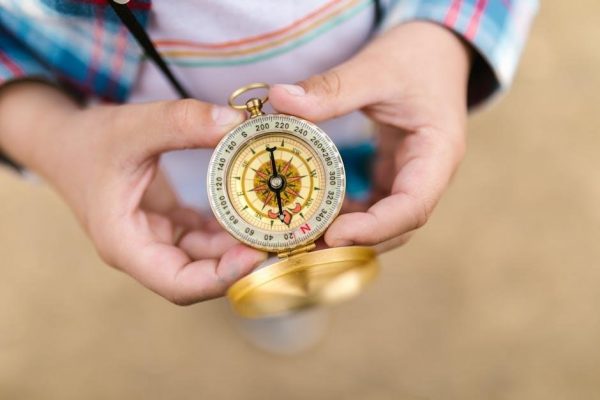
Successfully traversing the Camino relies on effective navigation tools. Traditionally, pilgrims utilized detailed guidebooks, like those by John Brierley, and physical maps to chart their course.
Modern technology offers alternatives; smartphone applications now provide GPS tracking, offline maps, and lodging information, streamlining the process.
Combining both methods – guidebook for overall planning and app for real-time guidance – ensures a well-prepared and confident pilgrimage experience.
Using Guidebooks & Maps (John Brierley’s Guides)

John Brierley’s guidebooks have long been a cornerstone for Camino pilgrims, offering stage-by-stage directions, elevation profiles, and accommodation listings.
These guides, frequently seen in pilgrims’ packs, provide detailed maps and practical advice, though some now consider them less essential due to app advancements.
Despite technological alternatives, Brierley’s books remain valuable for pre-trip planning and offer a tangible connection to the historical pilgrimage route.
Smartphone Apps for Camino Navigation
Modern Camino pilgrims increasingly rely on smartphone applications for navigation, surpassing traditional guidebooks and maps in convenience and functionality.
These apps offer real-time location tracking, offline maps, detailed stage information, and up-to-date accommodation availability, streamlining the planning process.
While Brierley’s guides remain useful for pre-trip preparation, apps provide dynamic, on-the-go support, enhancing the overall pilgrimage experience for tech-savvy walkers.
Understanding Pilgrim Credentials (Credencial)
The credencial, or pilgrim passport, is a vital document for anyone walking the Camino de Santiago, serving multiple essential purposes along the route.
It verifies your status as a pilgrim, granting access to albergues (pilgrim hostels) and ensuring affordable accommodation options throughout your journey.
Collecting stamps at each stop demonstrates your progress and is a requirement for obtaining the Compostela, the certificate of completion in Santiago.
Obtaining a Credencial
Pilgrims can acquire their credencial from various sources before beginning their Camino de Santiago journey, offering convenient options for preparation.
Cathedral offices, pilgrim associations, and even some parishes along the routes issue these essential documents, ensuring accessibility for all travelers.
Online applications are also available through recognized organizations, allowing pilgrims to receive their credencial in advance of their departure date.
Using the Credencial for Accommodation & Compostela
The credencial serves as a vital passport for pilgrims, granting access to affordable accommodation in albergues – pilgrim hostels – along the Camino routes.
Each albergue stay is officially stamped on the credencial, documenting the pilgrim’s progress and verifying their journey towards Santiago de Compostela.
Crucially, a fully stamped credencial is a prerequisite for obtaining the Compostela, the certificate of completion awarded upon reaching the cathedral.
The Compostela: Certificate of Completion
The Compostela, a testament to pilgrimage, is awarded to those who have walked at least the final 100 kilometers to Santiago de Compostela, or 200km by bicycle.
Applicants must present a fully stamped credencial, proving their journey, and demonstrate a spiritual motivation for undertaking the Camino, not merely recreational.
This certificate isn’t merely a souvenir; it symbolizes centuries of tradition and signifies the pilgrim’s completion of a deeply meaningful spiritual quest.
Requirements for Receiving the Compostela
To obtain the Compostela, pilgrims must walk a minimum of 100 kilometers (62 miles) on foot or 200 kilometers (124 miles) by bicycle to Santiago de Compostela.

A fully stamped credencial – the pilgrim passport – is essential proof of the journey, collected at albergues and other establishments along the route.
Pilgrims must demonstrate a genuine spiritual intention for undertaking the Camino, rather than purely touristic motives, when applying for the certificate.
The Significance of the Compostela
The Compostela is more than a certificate; it’s a tangible symbol of spiritual completion and a testament to the pilgrim’s dedication and perseverance on the Camino de Santiago.
Historically, it served as safe passage and recognition for pilgrims traveling to the shrine of Saint James, offering protection and hospitality along the arduous route.
Today, it represents a profound personal achievement, a journey of self-discovery, and a connection to centuries of pilgrims who have walked this sacred path.
Camino Etiquette & Customs
The Camino fosters a unique community, built on mutual respect and shared experience. Pilgrim greetings, like “Buen Camino,” are customary, acknowledging the collective journey.
Respecting local cultures is paramount; be mindful of traditions, dress modestly when visiting churches, and support local businesses along the route.
Embrace the spirit of solidarity, offering assistance to fellow pilgrims and contributing to the positive atmosphere of the Camino. Kindness and empathy are key!
Pilgrim Greetings & Community
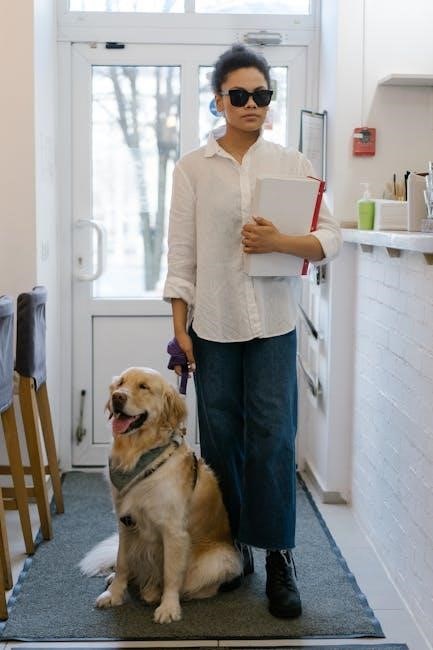
“Buen Camino!” is the universal greeting, a warm wish for a good journey exchanged between pilgrims. It embodies the shared experience and supportive atmosphere of the Camino.
The Camino fosters a strong sense of community, where pilgrims from diverse backgrounds connect through shared challenges and triumphs. Expect camaraderie and mutual aid.
Be open to sharing stories, offering encouragement, and accepting help when needed. This spirit of connection is central to the Camino experience.
Respecting Local Cultures & Traditions
The Camino traverses regions with rich histories and unique customs. Demonstrating respect for local traditions enhances your pilgrimage and fosters positive interactions.

Be mindful of noise levels, especially in villages and albergues. Observe local customs regarding dress, particularly when visiting churches or sacred sites.
Support local businesses by purchasing food and supplies from village shops. Engage with residents respectfully, and learn a few basic phrases in the local language.
Food and Drink on the Camino
Regional cuisine is a delightful aspect of the Camino experience. Each area boasts unique dishes and flavors, offering a taste of local culture.
Pilgrims can enjoy hearty stews, fresh seafood, and local wines. Pulpo a la gallega (Galician-style octopus) is a regional specialty, while tapas provide affordable snacking options.
Staying hydrated is crucial; carry sufficient water, especially during warmer months. Replenish electrolytes and nourish your body with balanced meals to sustain energy levels.
Regional Cuisine Along the Routes
The Camino Francés offers diverse culinary experiences. In Navarra, savor pochas (stewed beans), while La Rioja delights with its renowned wines and grilled meats.
Galicia, the Camino’s endpoint, is famed for seafood. Pulpo a la gallega (octopus) and fresh shellfish are must-tries. Castile and León present hearty stews and roasted lamb.
Exploring local markets provides fresh produce and regional cheeses. Don’t miss the opportunity to sample traditional desserts and local pastries along your pilgrimage route!
Staying Hydrated and Nourished

Maintaining energy levels is crucial on the Camino. Drink plenty of water – at least 2-3 liters daily – especially during warmer months. Electrolyte replacement drinks can be beneficial after strenuous hikes.
Prioritize balanced meals with carbohydrates, proteins, and healthy fats. Pack energy bars, nuts, and dried fruit for quick snacks between towns.
Listen to your body’s needs and don’t ignore hunger or thirst. Regular, nourishing meals will help prevent fatigue and ensure a more enjoyable pilgrimage experience.
Dealing with Challenges on the Camino
The Camino presents physical and emotional hurdles. Blisters are common; preventative measures like well-fitting shoes and blister prevention tape are vital. Treat blisters promptly with appropriate dressings.
Emotional wellbeing is equally important. Allow yourself time for reflection, connect with fellow pilgrims, and acknowledge difficult feelings.
Remember that challenges are part of the journey. Embrace them as opportunities for growth and self-discovery, and seek support when needed.
Blisters and Foot Care
Blisters are almost inevitable on the Camino. Prevention is key: ensure properly fitted boots, wear moisture-wicking socks, and use preventative tape on hotspot areas. Break in your boots thoroughly before departure!
Early detection is crucial. Address hotspots immediately with blister plasters or moleskin. If a blister forms, clean it carefully with antiseptic wipes.
Drain blisters cautiously if large and painful, using a sterile needle, and cover with a protective dressing. Prioritize foot health for a comfortable pilgrimage.
Emotional and Mental Wellbeing
The Camino is a profoundly emotional experience. Expect moments of joy, sadness, and introspection. Allow yourself to feel these emotions without judgment; they are part of the journey.
Practice mindfulness and self-compassion. The physical challenges can be taxing, so prioritize mental resilience. Connect with fellow pilgrims for support and shared experiences.
Embrace solitude when needed. The Camino offers space for self-reflection and personal growth. Remember to be kind to yourself throughout this transformative pilgrimage.
Resources for Camino Pilgrims
Village to Village Press stands as a premier resource, offering detailed guidebooks and a portal brimming with inspirational photos and pilgrim reflections. These resources are crafted by experienced Camino walkers.
Online forums and communities provide invaluable support, allowing pilgrims to connect, share advice, and build camaraderie before, during, and after their journey.

John Brierley’s guides remain popular, while digital resources like apps offer updated maps and lodging information, enhancing the planning process.
Village to Village Press Guidebooks
Village to Village Press provides first-rate, practical resources for Camino pilgrims, born from the authors’ extensive walking and biking experiences on multiple routes.
Their guidebooks are meticulously updated with newer maps and photographs, offering comprehensive information for modern-day pilgrims seeking to traverse the sacred Way of St. James.
These resources aim to be a complete portal into all things Camino, blending practical advice with inspiring imagery and thoughtful reflections.
Online Forums and Communities
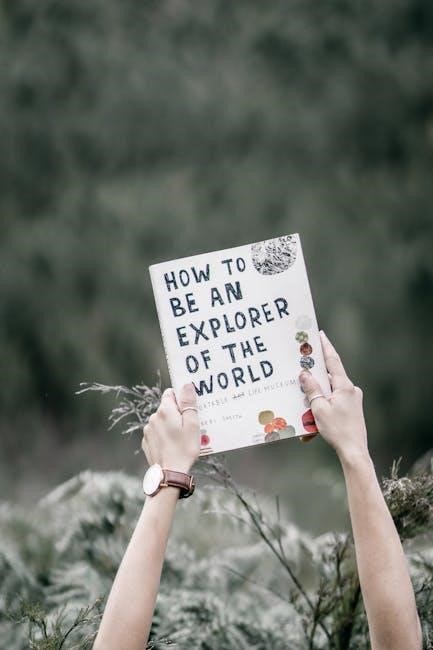
Connect with fellow pilgrims! Numerous online forums and communities offer invaluable support, shared experiences, and practical advice for those planning or currently on the Camino.
These platforms facilitate discussions on everything from gear recommendations and route conditions to accommodation options and emotional wellbeing during the pilgrimage.
Sharing insights and connecting with others fosters a sense of camaraderie and provides a wealth of knowledge, enhancing the Camino experience for all involved.